

Roof Leak Repair
Why Is My Roof Leaking?
Roof leaks usually start with a failure in one part of the roof system and show up somewhere else later. Homeowners often see the symptom indoors long before they know whether the issue is a shingle problem, a flashing problem, or water moving along framing.
Important Warning
If Water Is Entering The Home Right Now
Active interior dripping, ceiling bulging, electrical exposure, or water running down walls deserves prompt professional guidance and interior protection steps right away.
Table Of Contents
Roof Leaks Start At Weak Details, Not Randomly
The roof surface may look simple from the ground, but water gets into homes through a relatively small number of vulnerable details. Common leak points include roof penetrations, flashing transitions, valleys, chimney areas, skylights, and roof edges where water can back up.
A leak may also start after wind loosens shingles, after sealants age and crack, or after repeated freeze-thaw cycles open a gap at a flashing joint. That is why the source of the leak is usually more specific than just saying the roof is old.
- Pipe boots around plumbing vents
- Step flashing where the roof meets a wall
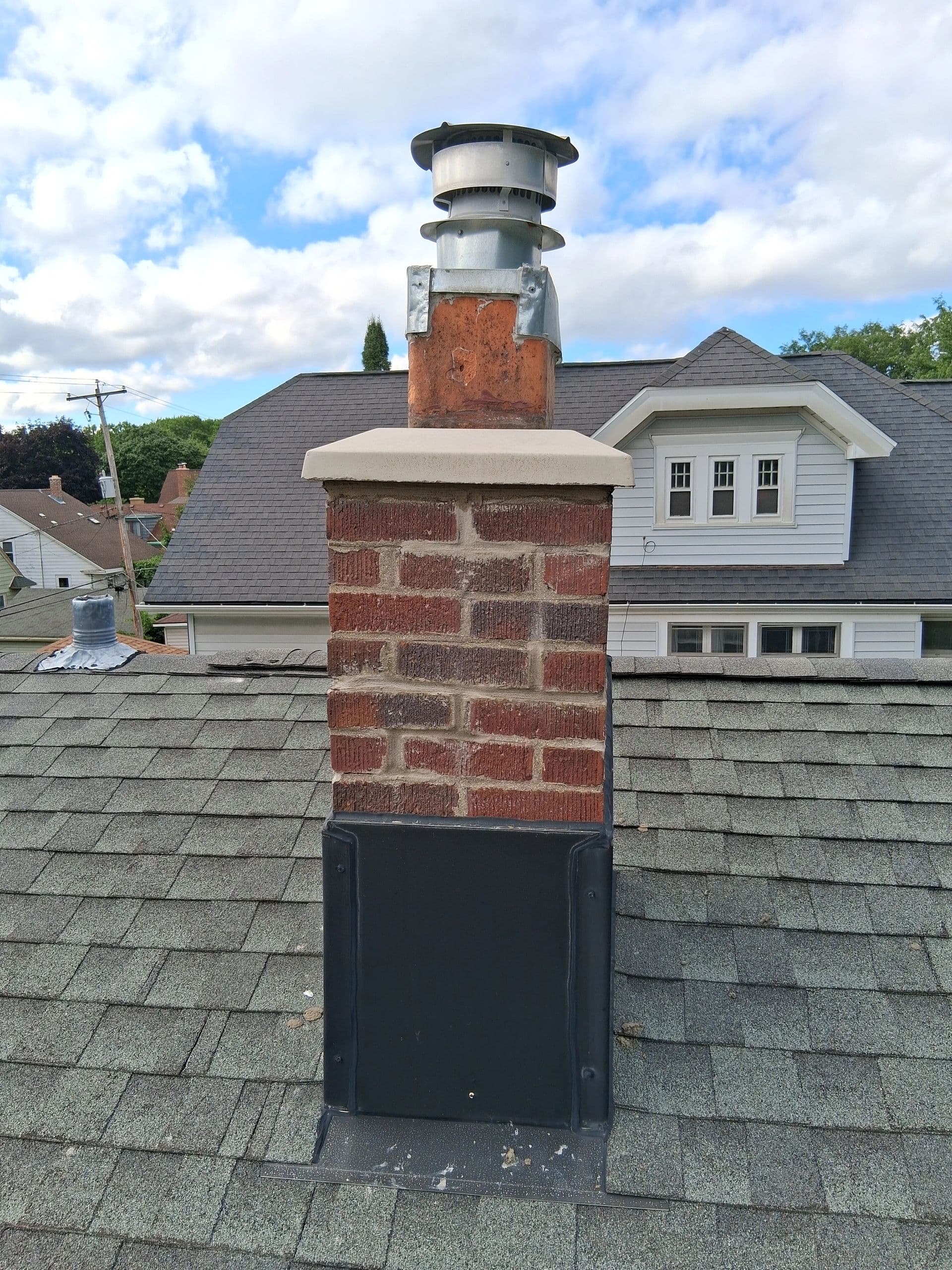
- Chimney flashing and masonry transitions
- Valleys where two roof planes direct water together
The Ceiling Stain Is Often Not The Real Leak Location
Water can travel along roof decking, rafters, trusses, insulation, and drywall before it finally shows up indoors. The stain on the ceiling is often only the exit point, not the place where rain first entered the roof system.
That is one reason roof leaks can be frustrating for homeowners. A contractor who only patches the area directly above the stain may miss the actual source if the water traveled across framing first.
Need A Next Step?
Use the emergency pathway when water is entering the home now.
Get Help With An Active LeakWhat Homeowners Can Check Safely From Inside And From The Ground
Look for recent weather events, missing shingles visible from the yard, stains in the attic, damp insulation, or water marks around chimneys and roof penetrations. These clues help narrow the problem without creating a safety risk.
Avoid climbing onto a wet, steep, icy, or storm-damaged roof. Interior notes and ground-level photos are usually more helpful than a risky do-it-yourself inspection.
- Take photos of ceiling stains and attic moisture
- Note whether the leak happens during rain, after snow melt, or only during wind-driven storms
- Check gutters for heavy granule loss or debris from recent weather
When A Repair May Be Enough
Many leaks can be addressed with a focused repair when the larger roof system is still in workable condition. That may involve replacing a failed pipe boot, rebuilding flashing, correcting a valley detail, or repairing a limited damaged section of shingles.
The right next step depends on diagnosis first. A roof that leaks does not automatically need replacement, but homeowners deserve a clear explanation when the roof condition suggests the issue is broader than one repair can solve.
Frequently Asked Questions
Can a roof leak stop on its own?
Sometimes the visible dripping stops when the weather changes, but the underlying roof failure usually remains until it is repaired or at least evaluated.
Does a stain always mean the leak is still active?
Not always. Some stains are leftover from an earlier event, which is why inspection and documentation matter before deciding on a repair plan.
Editorial Standards
Educational content in the Wisconsin Roofing Resource Center is reviewed for practical roofing accuracy and written to help Wisconsin homeowners understand repair, maintenance, and replacement decisions in plain language.
Need Help Applying This To Your Roof?
Educational guidance is helpful, but the next step on a real roof should still be based on the actual condition of your home, not assumptions.