

Roof Leak Repair
Why Roof Leaks Often Appear Away From The Actual Problem
One of the most confusing parts of leak investigation is that the visible interior symptom may be nowhere near the original roof failure. Water follows gravity, but it also follows surfaces, fasteners, framing, and insulation paths.
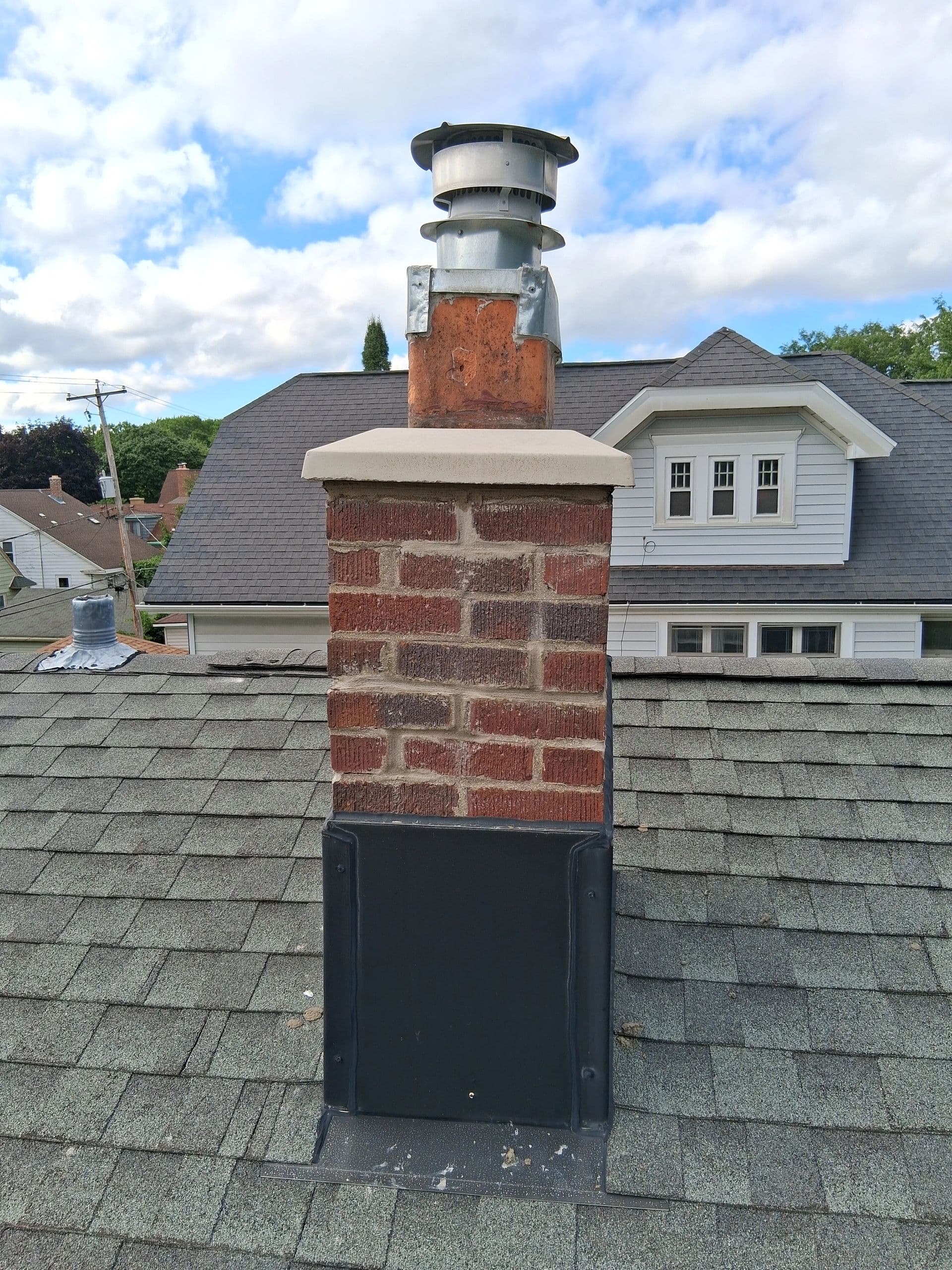
Table Of Contents
Water Uses The Roof Structure Like A Pathway
Once water gets below the roof covering, it may move along the underside of the deck, follow a truss chord, run down a pipe, or soak insulation before it finally drips into living space.
That movement is why leak tracing often depends on attic observations, not just roof surface guesses.
Common Places Where Travel Paths Change Direction
Roof valleys, framing intersections, penetrations, fasteners, and insulation voids can redirect water. A leak may enter high on the roof and appear at the ceiling below a completely different part of the room.
- Along rafters toward lower roof edges
- Around chimneys and wall intersections
- Down plumbing stacks or other penetrations
- Across attic insulation before a visible drip forms
Need A Next Step?
Use the next-step resource below if you want a more direct service path after reading the guide.
Schedule A Roof DiagnosticWhy Patching Directly Above The Stain Can Fail
If the real leak is several feet away, a quick patch above the ceiling stain may miss the failure entirely. That can lead homeowners to believe the repair did not work when the actual issue was never corrected in the first place.
Good Diagnostics Focus On The Entry Point
A thorough diagnostic compares the interior stain location, attic clues, roof geometry, and recent weather conditions to identify where water likely entered first. That approach usually leads to better repair recommendations and fewer repeat leaks.
Frequently Asked Questions
Can attic insulation hide the leak path?
Yes. Wet insulation may spread moisture and delay where or when the drip becomes visible below.
Why does the leak sometimes show up in a different spot each time?
Wind, rainfall intensity, snow melt, and changing moisture paths can alter where water finally exits inside the house.
Editorial Standards
Educational content in the Wisconsin Roofing Resource Center is reviewed for practical roofing accuracy and written to help Wisconsin homeowners understand repair, maintenance, and replacement decisions in plain language.
Need Help Applying This To Your Roof?
Educational guidance is helpful, but the next step on a real roof should still be based on the actual condition of your home, not assumptions.