

Roof Maintenance
Fall Roof Maintenance Checklist For Wisconsin Homeowners
Fall maintenance helps homeowners prepare the roof for winter instead of reacting after the first snow and ice events. The goal is to reduce obvious weak points before cold weather magnifies them.
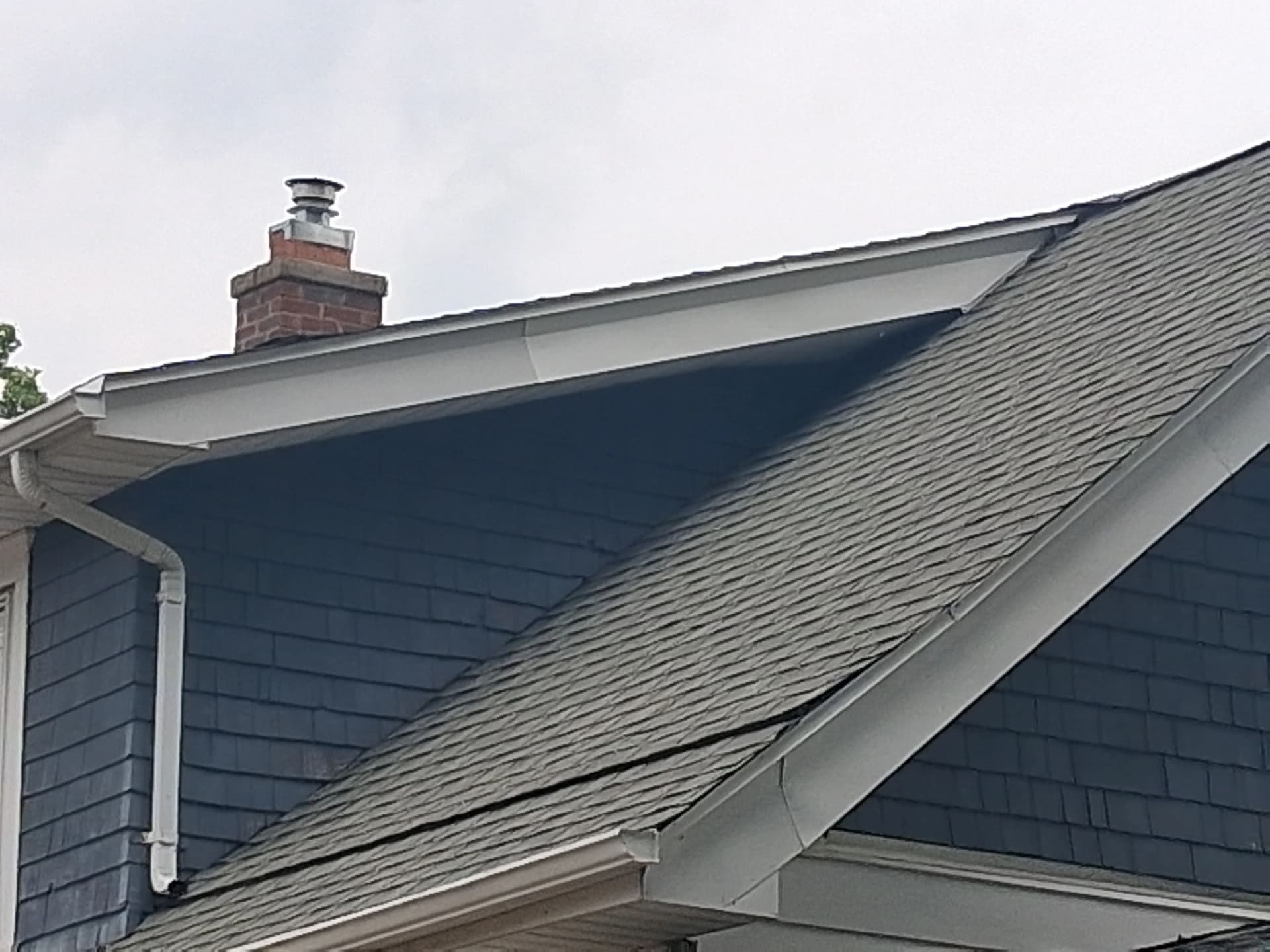
Table Of Contents
Clear Drainage Paths Before Freezing Weather Begins
Gutters, downspouts, roof valleys, and lower roof edges should be free enough to move water efficiently before freezing cycles create backup conditions.
- Remove debris from valleys and gutters
- Check downspout discharge away from the house
- Look for sagging gutter areas that hold water
Review Flashing And Roof Details Before Snow Covers Them
Fall is a good time to evaluate penetrations, chimneys, skylights, and roof-to-wall transitions. Small weak points are easier to address before ice and snow make them harder to reach and more likely to leak.
Need A Next Step?
Use the next-step resource below if you want a more direct service path after reading the guide.
Request Roof HelpThink About Attic Conditions Before Winter Heat Loss Matters More
If attic airflow or insulation conditions are already questionable, winter often makes the effects more visible. A fall review can help homeowners plan ahead instead of discovering the issue after ice dams start forming.
Use Fall For Practical Prevention, Not Perfection
The goal is not to create a zero-risk roof. It is to identify manageable maintenance items early enough that winter does not turn them into urgent leak calls.
Frequently Asked Questions
Should I schedule roof work before the first snowfall?
If the roof already has known weak points, earlier is usually better because winter conditions limit access and increase leak risk.
Can gutter issues really affect winter roof leaks?
Yes. Poor drainage can contribute to water backup at the roof edge and make ice-related problems worse.
Editorial Standards
Educational content in the Wisconsin Roofing Resource Center is reviewed for practical roofing accuracy and written to help Wisconsin homeowners understand repair, maintenance, and replacement decisions in plain language.
Need Help Applying This To Your Roof?
Educational guidance is helpful, but the next step on a real roof should still be based on the actual condition of your home, not assumptions.