

Roof Maintenance
Spring Roof Maintenance Checklist For Wisconsin Homeowners
Spring maintenance is less about climbing on the roof and more about checking how the roof came through winter. Snow, ice, and freeze-thaw cycles often leave clues that homeowners should not ignore heading into rainy months.
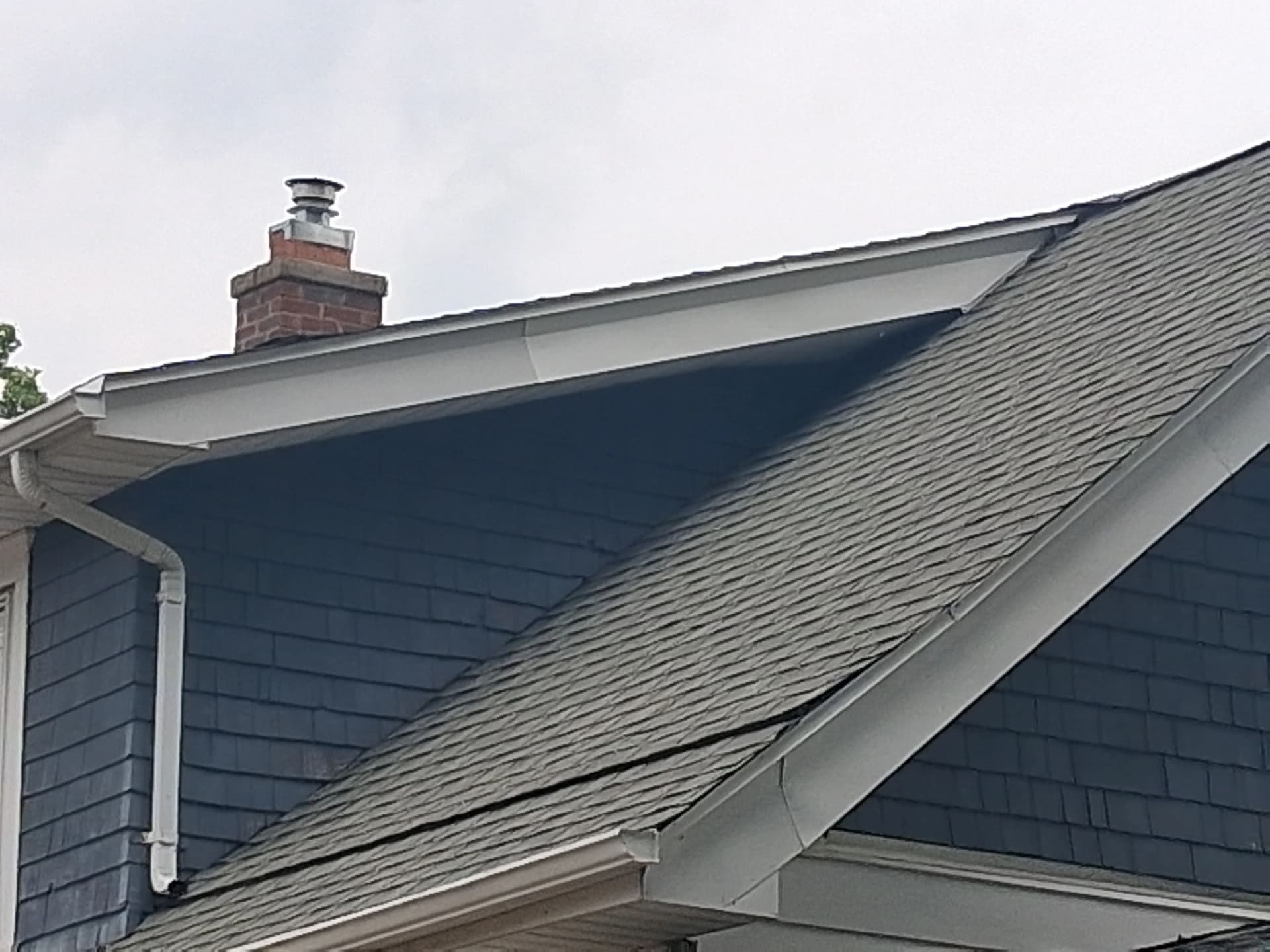
Table Of Contents
Start With Safe Ground-Level Observations
Look for loose shingles, gutter overflow signs, detached downspouts, storm debris, and visible roof edge wear. Winter often leaves clues that can be seen without leaving the ground.
- Check gutters for heavy granule buildup
- Look for displaced shingles after winter winds
- Notice fascia staining or water marks near the eaves
Review The Attic Before Warm Weather Hides The Clues
Spring is a good time to look for stains, damp insulation, musty smells, or signs that winter moisture collected in the attic. Those issues are easier to address before summer heat changes the picture.
Need A Next Step?
Use the next-step resource below if you want a more direct service path after reading the guide.
Request Roof DiagnosticAddress Small Winter Damage Before Rain Season
Loose flashing, minor roof edge wear, and winter-created weak spots can become larger leak issues once spring rains arrive. Timely tune-up work often makes the most sense here.
Use Spring To Reset Your Roof Records
Spring inspections are also a good moment to update service history, note any concerns from the previous winter, and organize photos or prior repair information for the year ahead.
Frequently Asked Questions
Should I check the attic every spring?
That is a practical habit, especially if the roof is older or the home has had winter leak concerns before.
What if nothing looks wrong from the ground?
That is helpful, but it does not rule out hidden flashing or attic moisture issues, which is why tune-ups or inspections can still add value.
Editorial Standards
Educational content in the Wisconsin Roofing Resource Center is reviewed for practical roofing accuracy and written to help Wisconsin homeowners understand repair, maintenance, and replacement decisions in plain language.
Need Help Applying This To Your Roof?
Educational guidance is helpful, but the next step on a real roof should still be based on the actual condition of your home, not assumptions.